


























Card games look modest from the outside: a pack of cards, a table, and a few players. Yet that small toolkit has produced an astonishing range of pastimes, from fast family games to slow tactical contests and money-based casino formats. The German word Kartenspiele simply points to this broad field, and anyone curious about it can benefit from understanding how these games work rather than memorising one set of rules and hoping it applies everywhere. A little structure makes the whole landscape easier to explore.
A Family of Games, Not a Single Pastime
Card games are easier to learn when you sort them by purpose. Trick-taking games reward timing and memory; shedding games focus on emptying your hand; matching and melding games ask you to build combinations; casino card games add betting decisions and house rules. Some are designed for two players, others for large groups, and many have regional versions that change the feel of play. Before sitting down, ask what the goal is, how cards rank, who leads, how points are scored, and what happens when a player cannot move. Those basics tell you more than a long list of edge cases, and they help you switch between related games without starting from zero each time.
Rules Are the Skeleton of Every Table
Every enjoyable session rests on a clear rule set. Good rules explain the deal, turn order, legal plays, penalties, and scoring without forcing players to guess. Ambiguity is common because card games travel by word of mouth and pick up local habits. That is why it helps to agree on one version before the first card is dealt. If a group prefers a house rule, state it plainly so nobody feels tricked later. For teaching, deal a practice hand and walk through one round slowly. A useful rule page also invites corrections, because even experienced players discover new variants and forgotten exceptions. Clear rules do not remove the fun; they give everyone a fair starting point.
Skill, Chance, and the Social Side
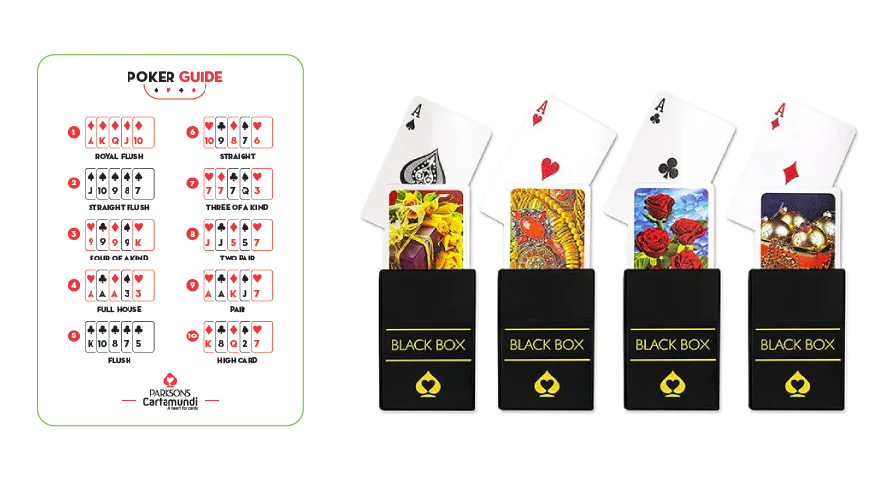
Chance is part of the appeal. The cards you receive are not under your control, but decisions about what to play, when to hold back, and how to read the table are. Skilled players pay attention to patterns, probabilities, and the habits of opponents, while beginners can improve simply by slowing down and thinking one turn ahead. The social side matters just as much. Friendly table talk adds pleasure, but it should not become pressure or distraction. In competitive settings, etiquette protects everyone: take turns, avoid revealing information, and accept a bad deal without making the game unpleasant for others. A pleasant table is usually a table where people remember the rules and the company.
Casino Card Games Need Extra Care
Casino card games move faster and involve money, so the learning curve has higher stakes. Players should understand the rules of the specific table, the order of play, permitted decisions, and how payouts work before placing anything. Promotions and bonuses can look generous, but they come with conditions that deserve a careful read. Comparison sites and guide pages can be helpful when they explain mechanics and player safeguards rather than only pushing offers. In German-speaking markets, online casino advice is widely available, including assessments of newer operators and introductory offers; readers should separate neutral instruction from advertising. A sensible player sets limits in advance, treats losses as the cost of entertainment, and never chases money already lost. Taking a break is a strategy, not a weakness.
Learning and Finding Reliable Guidance
The best way to learn is a mix of reading, practice, and conversation. Clubs, family tables, books, and well-maintained websites can all teach different lessons. A reliable explanation names the variant, gives examples, and admits when local rules differ. Look for clear scoring tables and worked examples rather than vague summaries. Practice games without stakes are ideal for building confidence, and teaching a game to someone else is one of the fastest ways to expose gaps in your own understanding. If you move to casino play, read the table rules and account terms first, use low limits, and take breaks. Local legal requirements and age rules deserve respect, and a licensed operator should make its policies easy to find.
Kartenspiele reward curiosity more than blind habit. Learn the structure of a game, agree on the rules, respect the social contract, and keep money play in proportion. With that approach, a simple deck remains a doorway to lifelong variety.

0 تعليقات
لا توجد تعليقات بعد. كن أول من يشارك تجربته.